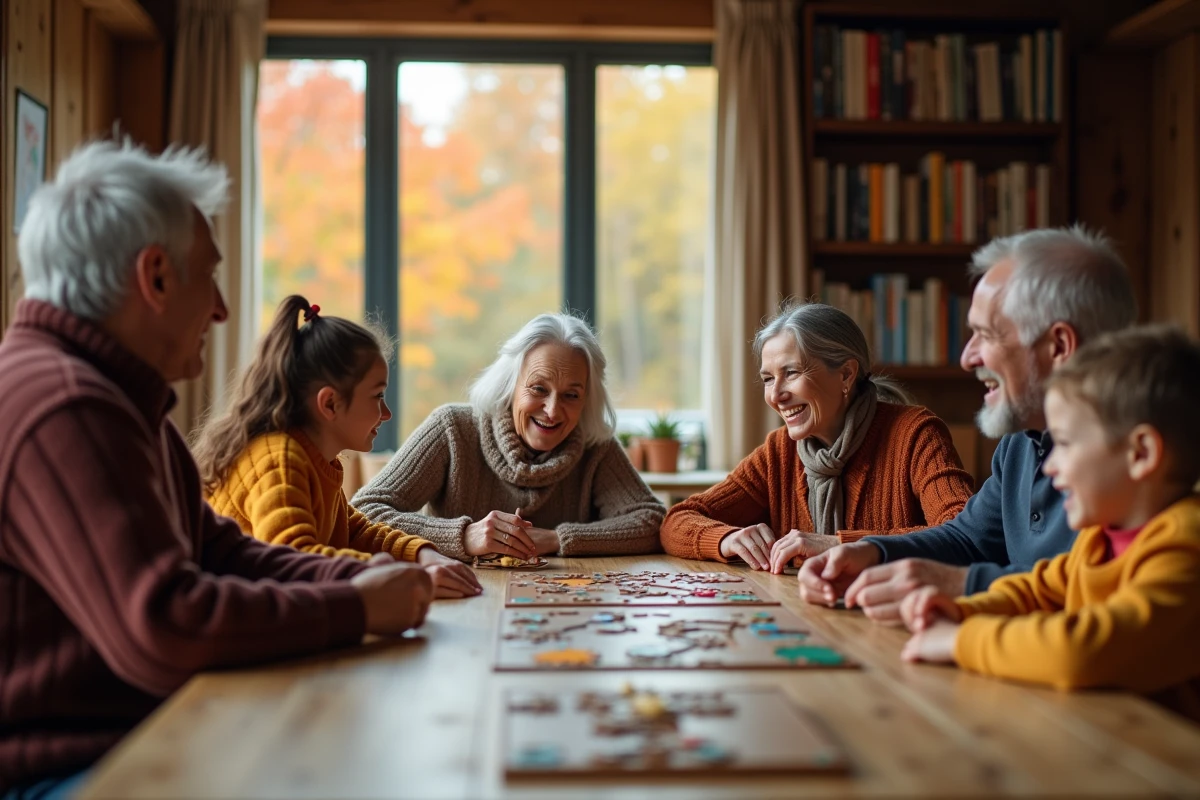
A meal where everyone talks at the same time, a shared fit of laughter over a card game, an impromptu walk on a rainy Sunday. These moments are not always planned, but they are prepared for. Strengthening family bonds relies less on the quantity of time spent together than on the quality of interactions and the role each member plays in the group.
Have you ever noticed that a simple evening ritual, like sharing the best moment of your day, changes the atmosphere at the table? This type of micro-habit creates a space where everyone feels heard. For families looking to go further, it is possible to discover family activities on Licorne Cosmique and find ideas for shared activities suitable for all ages.
Family Rituals: Building a Foundation Without Falling into Routine
A family ritual works when it is anticipated by everyone, not endured. The difference lies in one detail: each member takes turns choosing the activity for the ritual. A seven-year-old might suggest a drawing workshop, a teenager a movie night, a grandparent a family recipe.
This rotation mechanism prevents the ritual from becoming the project of just one parent. It also gives children a sense of concrete responsibility.
Here are some formats that stand the test of time:
- A collaborative photo album, digital or paper, contributed to each week by a different family member, with a personal caption under each image.
- A board game set for a specific evening, alternating between strategy games for the older ones and cooperative games accessible to the younger ones.
- A monthly cooking workshop where a recipe passed down from grandparents is recreated, filmed to keep a record.
The goal is not to multiply rituals. One regular ritual is better than five abandoned in three weeks. It’s better to start with a simple format and let it evolve than to aim for an overly ambitious schedule.
Blended Families: Integrating Stepchildren Without Creating Rivalries
Classic advice on family bonds assumes a stable household with two biological parents. This assumption does not cover the reality of many blended families, where the central question is different: how to create a bond between children who do not share the same history or reference points?
Building Shared Memories from Scratch
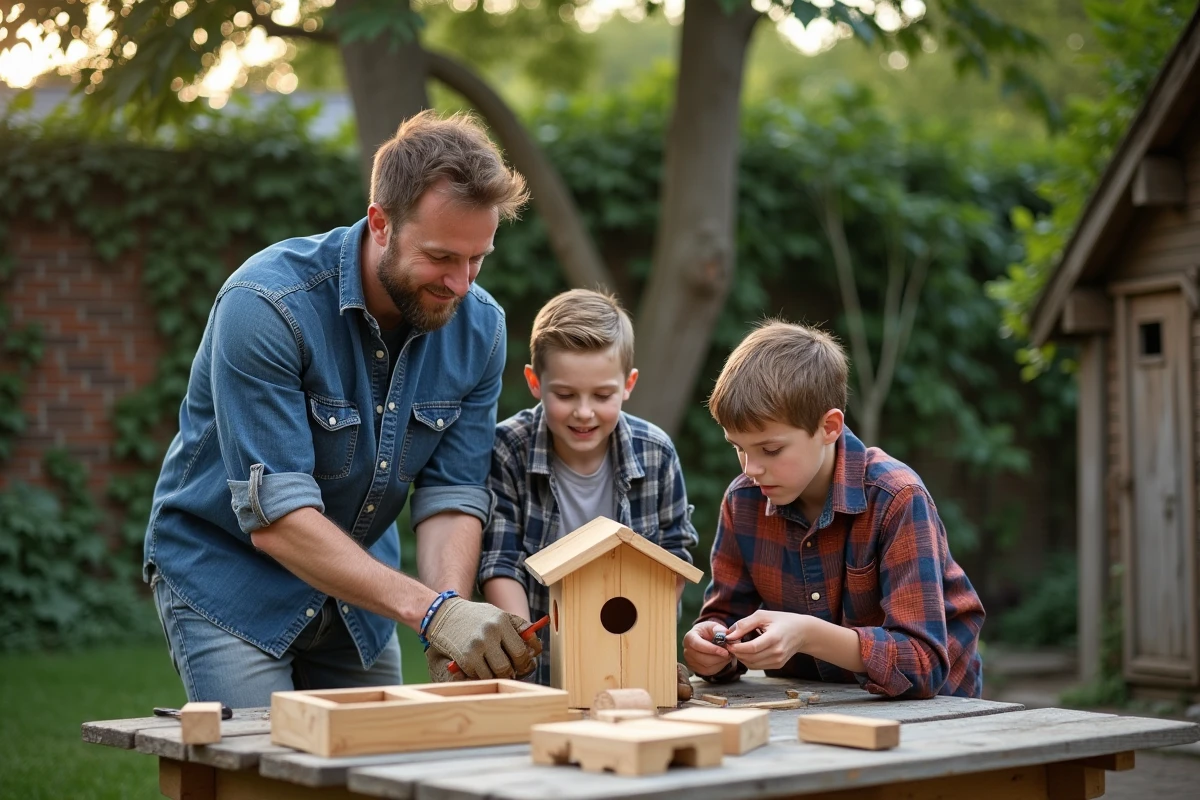
A stepparent who imposes their own traditions risks alienating a child already unsettled by change. The opposite approach works better: propose an activity that no one in the new family has ever done. A kayaking trip, an escape room, a pottery class. The new experience levels the playing field, with no advantage for those who “were there before.”
This principle of neutral activity reduces implicit comparisons. No one can say “we did it better at mom’s” if the activity is new to everyone.
Respecting Each Child’s Pace
Forcing closeness has the opposite effect. A child who refuses to participate in a board game with their half-siblings is expressing a need for space, not rejection. Allowing a child to observe before participating accelerates their integration.
Planning activities with variable geometry helps respect this pace: a workshop where one can come and go freely, a meal where everyone brings a dish from “their” family, a memory album with individual pages and shared pages.
Structured Video Calls: Keeping the Connection at a Distance
Geographically dispersed families know the fatigue of video calls that go in circles after three minutes of “I’m fine, and you?”. Families that adopt structured digital rituals, like a weekly video call with a specific theme, maintain richer exchanges and reduce tensions related to distance.
The keyword here is “structured.” A call where everyone shows an object found during the week, or reads aloud a passage from a book, provides a concrete basis for the exchange. A themed video call generates more laughter and memories than a free-form call.
For grandparents less comfortable with technology, intergenerational digital workshops are developing in many communities. Learning together to use a video conferencing tool then becomes a shared activity, not a technical chore delegated to the grandchildren.
Intergenerational Activities: What Works Beyond Board Games
Board games remain a classic, but they pose an accessibility problem when the age gap exceeds three generations. A five-year-old and an eighty-year-old grandparent do not share the same cognitive abilities or endurance.
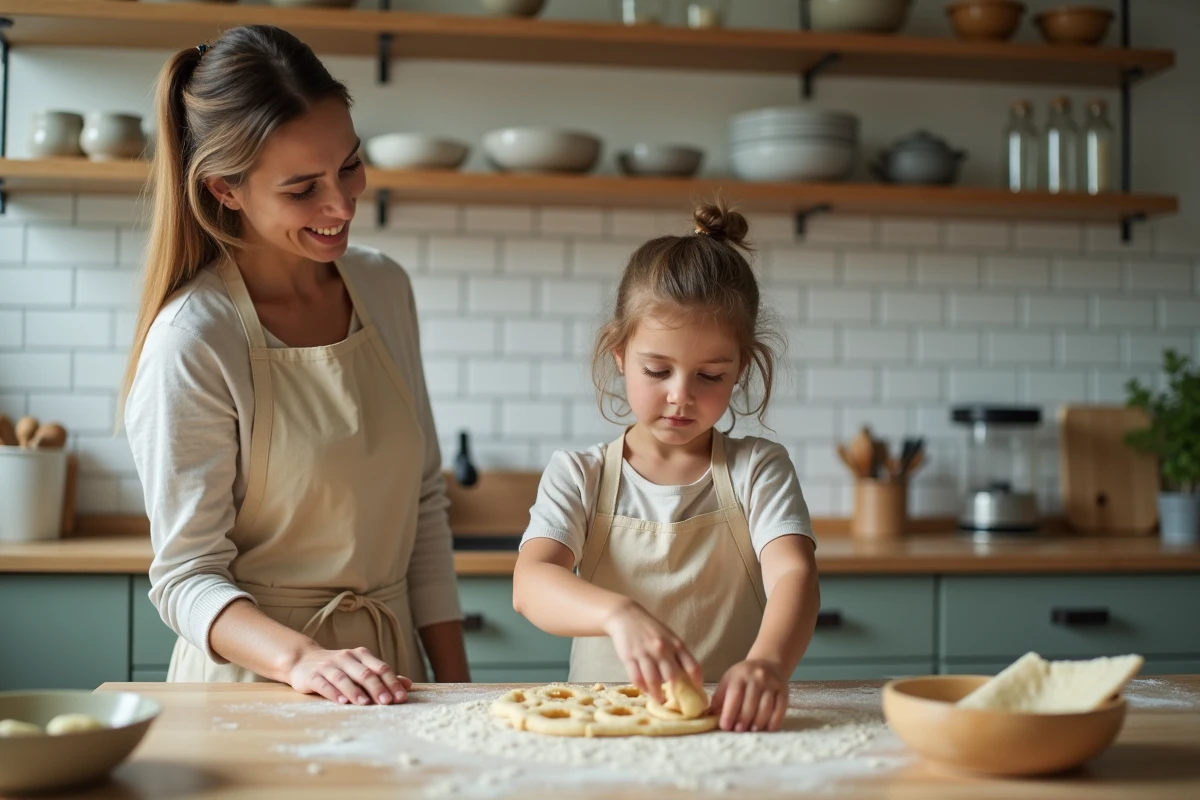
Gentle physical activities, such as walking, gardening, or cooking, bypass this obstacle. They allow for spontaneous exchanges, without the pressure of a score or competition. Gardening is one of the few activities where a child and a senior learn from each other: the grandchild discovers patience, while the grandparent benefits from physical energy.
Collaborative games assisted by artificial intelligence are also beginning to emerge. These tools adapt the difficulty in real-time, avoiding frustration for the younger ones and boredom for the older ones. The result is a more sustainable engagement than that of traditional board games, especially in families with teenagers.
Strengthening family bonds does not require a special budget or complex organization. A simple ritual, an activity where everyone starts from the same point, a video call with a real conversation topic. Regularity matters more than the ambition of the program. It is often the rituals maintained over several months that end up creating the most memorable memories.