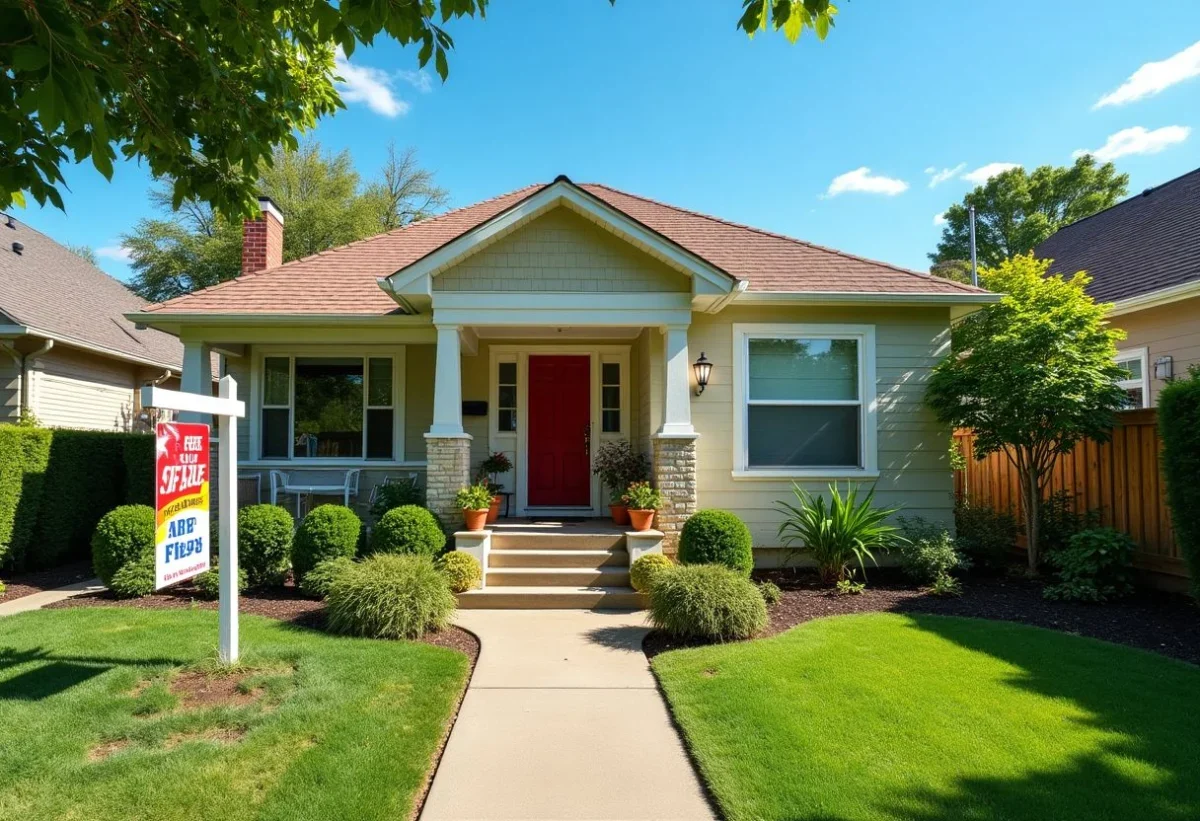
When it comes to selling or buying a house, the correct assessment of a property is a crucial step to ensure a fair and satisfactory transaction. Navigating the real estate world can seem daunting, especially when the property’s value appears to fluctuate due to economic trends or changes in the neighborhood. For homeowners and buyers, understanding the factors that influence a property’s value is not just an advantage, but a necessity for making informed and strategic decisions.
Determining Factors of a Property’s Value
Several elements come into play when it comes to setting the price of a property, and knowing these factors can help you better understand the appraisal process.
- Location: Location is often considered one of the most critical elements in assessing a property. A desirable neighborhood, with easy access to public transport, schools, and shops, can significantly increase the value of your property.
- Size and Features: The living area, number of bedrooms, presence of a garage or garden strongly influence the value. These features should align with current market trends to maximize their impact.
- Condition of the Property: A well-maintained and modernized property is naturally more appealing to buyers, positively influencing its price. Recent renovations and the overall condition of the property play an important role.
- Local and National Economy: Economic conditions, such as interest rates and the general health of the real estate market, directly affect the value of your home.
Estimation Methods Used by Professionals
Experts use several methods to provide an accurate estimate of properties, each having its specifics and advantages.
When a real estate agent or professional appraiser looks at the valuation of a house, they may use the direct comparison method. This approach involves comparing your property with similar properties that have recently sold in the same area.
The comparative market analysis is often the most used as it reflects current market prices.
Another commonly employed method is the cost approach, which evaluates how much it would cost to rebuild the current property. Finally, the income method is relevant for rental properties, as it is based on the expected future yield of the property.
Getting a Property Appraised: Why and How?
Getting a property appraised is often the first step towards a successful transaction, but it is equally important to understand why and how it is conducted.
For sellers, having an accurate appraisal means being able to set an attractive price that draws in buyers while maximizing the return on investment. For buyers, it ensures they are paying a fair price relative to the property’s actual value.
To accurately estimate a property, it may be wise to consult a real estate expert who will use their expertise and professional tools to provide an objective appraisal. It is also possible to use online tools that, while less precise than human expertise, can provide a basic estimate that is often sufficient for an initial evaluation.
Common Mistakes to Avoid When Appraising a Property
Appraising a property can be complex, and certain pitfalls can skew the final result.
- Underestimating or Overestimating: Avoid appraising your property above its actual value to maximize immediate profit. This can lead to a long wait before selling or a complete lack of offers.
- Ignoring Market Trends: The real estate market is dynamic, and ignoring its fluctuations can lead to appraisal errors.
- Overlooking Hidden Costs: Consider transaction fees, necessary repairs, and maintenance costs to obtain a realistic appraisal.
- Failing to Update Information: The data used for the appraisal must be current to be relevant, as market conditions change rapidly.