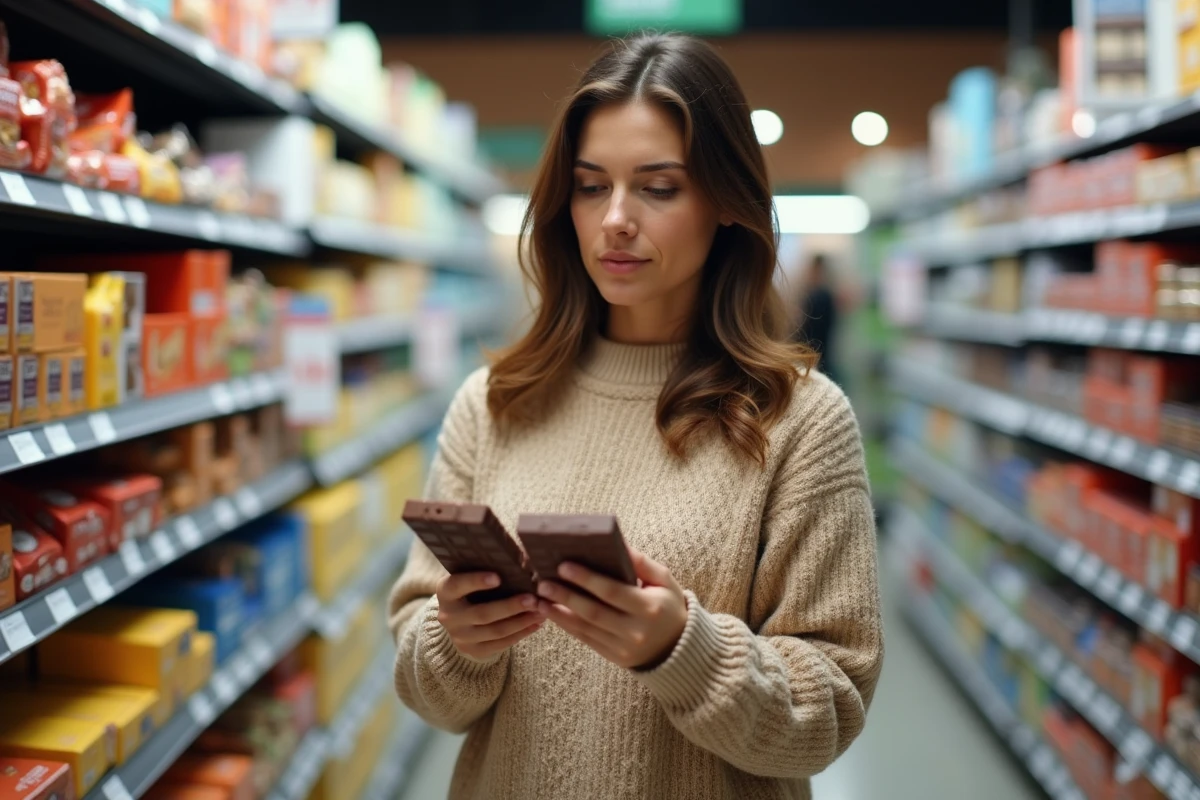
The price curve of chocolate only knows one direction: upward. This year, the labels display dizzying prices, sometimes higher than those of luxury products. Buying a simple bar can now cost as much as a platter of aged cheeses. Between the aisles of supermarkets, the displays of artisans, and the promises of organic brands, the consumer’s wallet is put to the test.
Behind these sometimes bewildering discrepancies, several phenomena come together. The price of cocoa is rising, marketing strategies are deployed as the holidays approach, packaging is shrinking… As a result, comparing prices and compositions becomes a necessary step to avoid unpleasant surprises at checkout.
Why are chocolate prices skyrocketing at Easter?
The observation is undeniable: the price of cocoa has reached unprecedented levels since the beginning of the year. Harvests are dwindling in West Africa, affected by diseases and climate uncertainties. The consequences are immediate: global prices are soaring, the entire supply chain passes on the increase, and consumers pay the price. The effect intensifies during the Easter period when France increases its chocolate purchases and the shelves empty at lightning speed.
Check the price of chocolate per kilo to grasp the extent of the phenomenon. The rarity of the bean, speculation strategies, and sector concentration weigh heavily. These are all factors that explain why chocolate is soaring faster than many other food products.
To this price surge is added the weight of sustainability labels. Buying a certified bar often means paying more, as traceability and fair compensation for producers are closely monitored. Some chocolates guarantee production without cadmium and meet social criteria, but many entry-level references remain outside these circuits. This lack of guarantees directly impacts the checkout total while limiting transparency for the consumer.
Manufacturers have plenty of tricks to disguise the increase: eggs, rabbits, and other figures see their sizes shrink, giving the impression of stable prices. But per kilo, the reality is glaring. To compare objectively, one must look at the price per kilo, a true mirror of the differences between brands and qualities, as detailed in the report “Price per kilo of chocolate: comparison of brands and qualities – L’ouvre Tête.”
Brands, supermarkets, artisans: who offers the best prices per kilo?
Comparing prices per kilo brings its share of surprises. Major chains, national brands, artisan chocolatiers: the gaps can be staggering. On the eve of Easter, each store competes with offers. Lidl, for example, has its Favorina duck priced at under 12 euros per kilo. At Carrefour, store-brand eggs are priced around 18 euros per kilo. These tight prices often come with their share of compromises: reduced quality, absent labels, or questionable compositions.
As you move up the range, the numbers soar. The Lindt milk chocolate bunny is priced at nearly 40 euros per kilo depending on the format. The Kinder Schokobons, a staple on the shelves, exceed 30 euros per kilo. Jeff de Bruges, a specialist in the high-end segment, regularly crosses the 60 euros per kilo mark for its molds or gift boxes. In this pricing jungle, only the price per kilo allows for clarity and measures the true positioning of each product.
Among artisans, reaching or exceeding 70 euros per kilo is not unusual, especially for unique pieces or original creations. Here, the quality-price ratio is viewed differently: selection of beans, work on aromatic intensity, ethical commitments… Each player carves out their path, balancing accessibility, standardization, and the pursuit of excellence.
Our simple tips for enjoying good chocolate without breaking the bank
Enjoying quality chocolate without emptying your wallet is primarily a matter of vigilance. Start by checking the price per kilo, which is much more revealing than the amount displayed on the box. Dark chocolate bars, especially in family sizes, sometimes offer great surprises in terms of quality-price ratio. The simpler the chocolate, without unnecessary fillings, the better it withstands the surge in cocoa prices.
Choose products with a sustainability label or an organic label. This guarantees respectful agricultural practices, often without excessive extra costs. The Nutri-Score provides a quick overview of the composition: a glance can help you avoid chocolates that are too high in sugars or unnecessary additives. Be careful, milk chocolates generally cost more per kilo than dark; compare the cocoa content and the ingredient list to avoid paying a premium for packaging or advertising.
Here are some concrete strategies to enjoy chocolate without unpleasant surprises:
- Try alternating with affordable alternatives: marzipan, pralines, or fruit pastes diversify the pleasure and limit spending.
- Spread tastings over several weeks rather than consuming everything at Easter. This organization allows for enjoyment without excess and spreads the cost over time.
For those watching their budget, buying in bulk or choosing larger formats opens access to better references without compromising on pleasure or quality. Pay attention to the traceability of cocoa: the presence or absence of a label often says a lot about the true value of the chocolate.
The next time you hesitate in front of a colorful box or an artisan piece, a glance at the price per kilo could change everything. Between pleasure, demands, and clarity, the true taste of chocolate is never far from the reality of the checkout total.